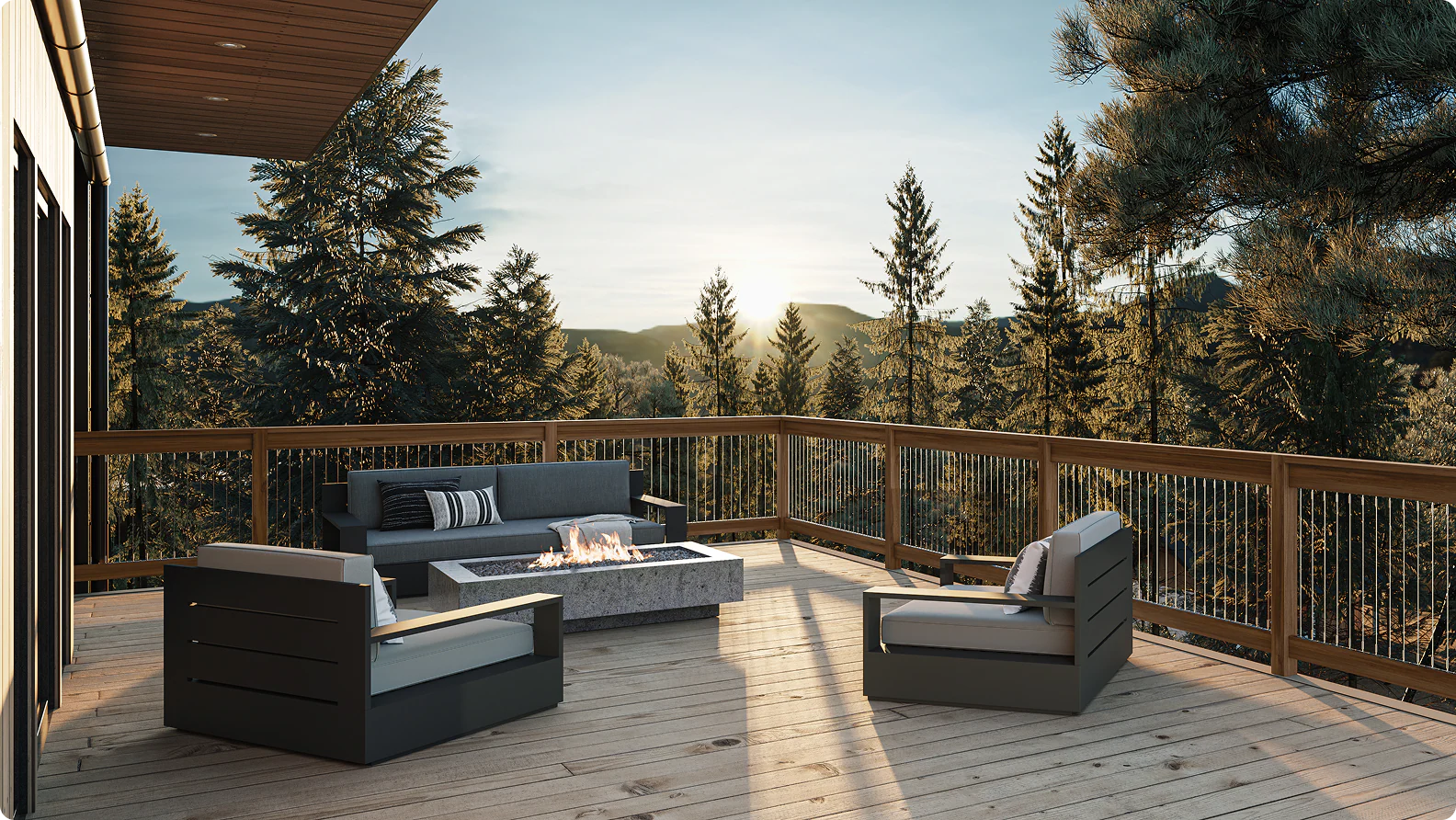
Best exterior railings for modern decks architectural design of contemporary outdoor living spaces requires an intricate synthesis of structural engineering, hygrothermal physics, and minimalist material aesthetics. The perimeter safety barrier of an elevated outdoor platform functions simultaneously as a life-safety containment system and a primary visual frame connecting interior architecture with the surrounding landscape. Translating modern architectural concepts into durable, code-compliant guardrail installations demands rigorous coordination among designers, structural engineers, and specialized metal or glass fabricators.
Balancing capital expenditure, long-term maintenance cycles, and environmental resilience is a core challenge across contemporary residential and commercial construction.
Understanding “best exterior railings for modern decks”
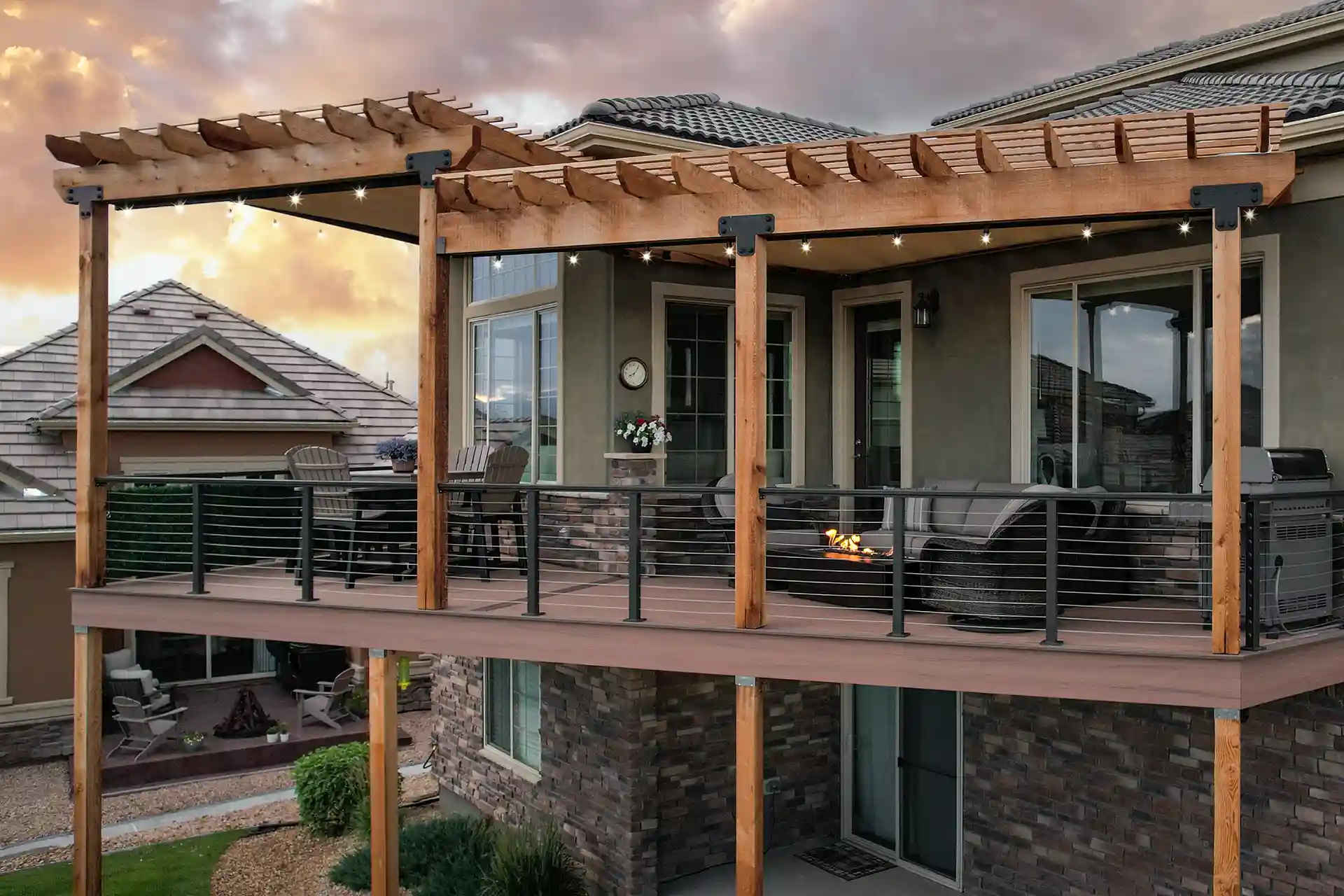
When design professionals and property owners research the best exterior railings for modern decks, they frequently encounter an overwhelming array of proprietary systems, minimalist metal profiles, and marketing claims. In practice, high-performance modern balustrades often demand tighter installation tolerances and more rigorous sub-framing mechanics than traditional bulky wood systems.
Oversimplification in architectural planning frequently stems from aesthetic prioritization, where clean visual lines override critical structural load-transfer and drainage requirements.
Addressing these challenges requires an interdisciplinary approach that bridges artistic design with rigorous structural engineering.
Deep Contextual Background: The Evolution of Modern Deck Perimeters
Best exterior railings for modern decks the evolution of outdoor deck enclosures reflects a continuous transition from vernacular regional building traditions toward highly engineered, globally sourced material science. Historically, elevated platforms relied on heavy timber framing, turned wood balusters, and solid masonry columns where structural mass provided safety and enclosure. These traditional barriers managed physical loads through thick cross-sections and interlocking joinery, drying naturally over extended seasonal cycles.
The late twentieth and early twenty-first centuries transformed outdoor architecture by prioritizing indoor-outdoor continuity, expansive glazing, minimalist framing profiles, and transparent sightlines. However, this architectural minimalism initially compromised structural performance.
Today, any comprehensive evaluation of modern deck boundaries draws from both classical engineering principles and cutting-edge industrial fabrication.
Conceptual Frameworks and Mental Models Best Exterior Railings For Modern Decks
Designing and executing elite modern deck guardrail systems requires structured mental models that categorize mechanical demands, structural safety margins, and economic longevity.
The second model is the Galvanic Isolation Matrix, which evaluates how dissimilar metals interact in outdoor atmospheric conditions.
The third model is the Thermal Expansion Equilibrium. Modern railing materials such as aluminum and stainless steel experience significant dimensional changes under fluctuating outdoor temperatures.
Key Categories, Variations, and Comparative Trade-Offs
The market for contemporary deck perimeters features an exceptional array of material systems, each bringing distinct physical properties, aesthetic signatures, and installation prerequisites.
Marine-Grade Stainless Steel Cable Systems
Composed of slender 316-grade stainless steel posts and tensioned horizontal wire ropes, cable systems maximize transparency and maintain unobstructed landscape views. They offer sleek, modern aesthetics that pair exceptionally well with natural wood or composite decking boards.
Architectural Aluminum Picket and Panel Railings
They provide clean, sharp visual lines tailored to modern architecture. Trade-offs include high thermal expansion rates and potential surface scratching if impacted by heavy objects.
Structural Glass Balustrades (Base Shoe and Standoff)
Engineered using laminated or monolithic tempered safety glass panels anchored via concealed base shoes, floor spigots, or side-mounted structural standoffs, glass railings deliver unhindered panoramic views and act as effective wind breaks. They provide the ultimate luxury minimalist aesthetic. Trade-offs include heavy dead weight, complex lifting and installation logistics, and high maintenance requirements to remove water spots and fingerprints.
Composite-Clad Structural Aluminum Systems
Constructed from wood-plastic composite sleeves encasing robust structural aluminum cores, these systems offer splinter-free surfaces, excellent moisture resistance, and color consistency that matches modern composite decking. They require minimal upkeep. Trade-offs include lower structural rigidity compared to pure metal systems, potential thermal sagging over wide spans, and susceptibility to UV fading over decades.
Minimalist Steel Rod and Flat-Bar Systems
Hand-welded or modularly assembled from structural steel flats and solid round bars, custom steel railings deliver industrial elegance, extreme impact strength, and razor-thin profile dimensions. They support complex custom designs. Trade-offs include heavy weight, vulnerability to surface rust if protective coatings are breached, and mandatory periodic scraping and repainting.
Frameless Glass Spigot Systems
Utilizing individual stainless steel or aluminum glass spigots clamping the base of each tempered glass panel without a continuous bottom shoe, this system provides an open, floating glass appearance. Trade-offs include precise layout requirements during sub-framing construction and stringent wind-load engineering.
Realistic Decision Logic for System Selection
Structuring an informed selection process for the best exterior railings for modern decks requires running a rigorous multi-tier filter based on environmental and architectural constraints:
-
Climate and Exposure Profile: In aggressive marine or high-salinity coastal environments, marine-grade 316 stainless steel or heavy-gauge powder-coated aluminum takes precedence over carbon steel or moisture-sensitive composites. In high-wind mountain zones, structural cable systems allow wind to pass through without creating excessive uplift pressure.
-
Structural and Framing Limitations: If the modern deck design features cantilevered wood joists with limited edge-distance support, heavy glass base shoes are eliminated in favor of lightweight aluminum post systems or top-mounted cable assemblies.
-
Aesthetic Integration: The chosen material must harmonize with the surrounding home facade and interior trim details, ensuring that minimalist design feels cohesive rather than austere.
Detailed Real-World Scenarios and Decision Matrices Best Exterior Railings For Modern Decks
Examining specific deployment scenarios clarifies how elite design teams resolve complex engineering challenges under demanding project constraints.
Coastal Cliffside Residence in Maine
-
Context: A multi-level modern wood deck perched on an exposed marine bluff subject to driving salt spray, intense wind-driven rain, and freezing winters.
-
Constraints: Severe corrosion potential, strict structural deflection limits, and an owner demanding transparent views of the ocean.
-
Decision Path: Standard carbon steel or 304 stainless steel are immediately ruled out due to rapid pitting and tea-staining. The team specifies marine-grade 316 stainless steel posts combined with tensioned cable assemblies, anchored through structural blocking with isolated hardware.
Urban Rooftop Terrace in Chicago, Illinois
-
Context: A high-rise contemporary penthouse deck subjected to extreme wind suction forces, harsh winter thermal swings, and strict municipal building code live-load mandates.
-
Constraints: High wind speeds at elevation, strict safety load thresholds, and limited structural attachment points on the concrete roof slab.
-
Decision Path: The design integrates structural base-shoe glass balustrades anchored directly into reinforced concrete using epoxy-set threaded rods. The laminated glass panels act as an effective wind break for terrace occupants.
-
Failure Modes & Second-Order Effects: Rapid temperature fluctuations induce thermal movement. If structural sub-framing or base shoes lack adequate expansion tolerance, glass panels will fracture under edge stress.
Suburban Hillside Deck in Austin, Texas
-
Context: A sprawling contemporary residential deck surrounded by native trees, exposed to high summer heat, intense UV radiation, and moderate humidity.
-
Constraints: High solar heat gain on metal handrails, low maintenance requirements, and clean horizontal lines.
-
Decision Path: The architectural plans utilize heavy-gauge powder-coated aluminum horizontal slat railings in a dark bronze finish, providing a modern aesthetic that remains cool to the touch compared to solid steel and resists UV fading.
-
Failure Modes & Second-Order Effects: Thermal expansion over long continuous runs of aluminum top rails can cause joint binding or fastener shear if slip joints are omitted from the construction drawings.
Planning, Cost, and Resource Dynamics
Financial and logistical planning for contemporary deck perimeters extends far beyond standard material procurement. The total economic footprint comprises raw alloy quality, custom fabrication lead times, specialized engineering calculations, multi-tier staging, and the opportunity costs associated with extended construction timelines.
Waste management and material staging also require meticulous planning. Laminated glass panels and custom metal extrusions generate high unit replacement costs if damaged during transit or field handling. Specialized crating, climate-controlled storage on site, and digital laser templating are mandatory to ensure that custom components fit structural sub-frames with zero margin for error.
Tools, Strategies, and Support Systems Best Exterior Railings For Modern Decks
Executing flawless installation of contemporary railing systems requires an ecosystem of advanced technological tools, precision instruments, and engineered mechanical supports.
-
3D Laser Scanners and Point Cloud Modeling: Utilized prior to construction to map as-built deck framing with sub-millimeter accuracy, ensuring that prefabricated posts and glass panels fit exact site dimensions without field modifications.
-
Hydraulic Swaging and Tensioning Tools: Professional-grade mechanical tools used to crimp stainless steel fittings and calibrate exact cable tension specifications.
-
Vacuum-Assisted Glass Lifting Rigs: Mechanical handling equipment designed to safely hoist and position heavy laminated glass balustrade panels on elevated decks and balconies.
-
Epoxy Injection Systems and Alignment Jigs: Specialized anchoring kits used to set structural threaded rods into concrete slabs or wood rim joists with absolute vertical plumbness.
-
Digital Torque Calibrators: Precision instruments used to tighten post-base mounting bolts to prevent loosening under dynamic human impact loads.
Risk Landscape and Failure Modes
The failure of a modern deck railing carries significant financial and life-safety repercussions, typically stemming from compounding vulnerabilities where minor installation oversights interact with severe environmental stressors.
A primary failure mode in modern railing installations is inadequate post anchorage into wooden rim joists. When railing posts are surface-mounted directly to composite decking boards without solid blocking or through-bolting directly into structural framing members, lateral force applied to the top rail easily rips the fasteners out of the wood.
Another critical risk is chloride-induced stress corrosion cracking in stainless steel. When lower-grade stainless steel cables or posts are installed in coastal environments without frequent freshwater washing, salt accumulation causes microscopic surface cracking and sudden structural snapping under normal tension.
Governance, Maintenance, and Long-Term Adaptation Best Exterior Railings For Modern Decks
The long-term structural safety and aesthetic perfection of a modern deck railing system rely on a disciplined governance model that transitions smoothly from construction handover to ongoing facility management. Even the most robust metal and glass installations require periodic review and preventative maintenance.
Facility management teams and property owners should establish a structured operational protocol:
-
As-Built Drawing Archiving: Storing final approved structural layout plans and hardware specifications in a permanent digital archive for future maintenance reference.
-
Annual Structural Load and Fastener Audits: Formal visual and mechanical inspections conducted every spring to check base mounting bolts for loosening, post plumbness, and weld integrity.
-
Specialized Cleaning and Passivation Protocols: Annual washing programs utilizing pH-neutral cleansers and freshwater rinses to remove salt deposits from stainless steel and aluminum surfaces.
-
Cable and Tension Calibration Checks: Biannual tension testing of cable railing systems to compensate for normal wire stretch and thermal relaxation.
Future deck renovations, such as replacing decking boards or applying new waterproofing membranes, must cross-reference original railing attachment details to ensure structural blocking remains intact and uncompromised.
Measurement, Tracking, and Evaluation
Evaluating the execution accuracy and ongoing performance of contemporary railing installations involves tracking a balanced set of leading and lagging indicators.
Lagging indicators measure historical success or failure. These include punch-list item counts during substantial completion inspections, the frequency of client complaints regarding wobbling posts or loose handrails, material scrap rates recorded during fabrication, and warranty claim histories. If punch-list defect counts related to post alignment exceed acceptable thresholds, it points to poor shop drawing coordination or inadequate field quality control.
Leading indicators provide early warning of potential structural distress before visible failure occurs. These metrics include tracking daily installation variance against structural layout datums, monitoring anchor bolt torque compliance, and recording load-test deflection measurements during preliminary site inspections. Documenting these metrics in a construction quality logbook enables proactive correction before minor layout drift escalates into life-safety hazards.
Common Misconceptions and Oversimplifications Best Exterior Railings For Modern Decks
-
Myth: Architectural metal railings require zero maintenance over their operational lifespan in coastal zones.
Correction: Even marine-grade stainless steel and powder-coated aluminum require regular freshwater washing to remove corrosive salt deposits and prevent tea-staining.
-
Myth: Higher material cost automatically guarantees immunity to thermal expansion and contraction.
Correction: Premium metals like aluminum and stainless steel have distinct thermal expansion coefficients that require engineered slip-joints regardless of cost.
-
Myth: Cable railing systems never require maintenance after initial installation is completed.
Correction: Cable assemblies experience natural wire stretch and thermal relaxation over time, requiring periodic tension recalibration to maintain code compliance.
-
Myth: Fastener selection for outdoor railings can be improvised using standard hardware store steel bolts.
Correction: Outdoor fasteners must match the primary metal alloy and possess appropriate corrosion ratings to prevent catastrophic galvanic corrosion and structural failure.
-
Myth: Glass balustrade panels can be installed without structural laminated interlayers if they are thick enough.
Correction: Modern building codes strictly mandate laminated safety glass for structural guards to ensure that if a panel breaks, the fragments remain safely bound in place.
Conclusion
The planning, engineering, and execution of perimeter safety barriers for contemporary outdoor spaces represent the convergence of rigorous structural mechanics, human ergonomics, and life-safety compliance. By evaluating the best exterior railings for modern decks through a lens of load-path continuity, material compatibility, and code compliance, design professionals ensure that exterior safety barriers deliver enduring structural integrity, architectural precision, and generational peace of mind.
Leave a Reply