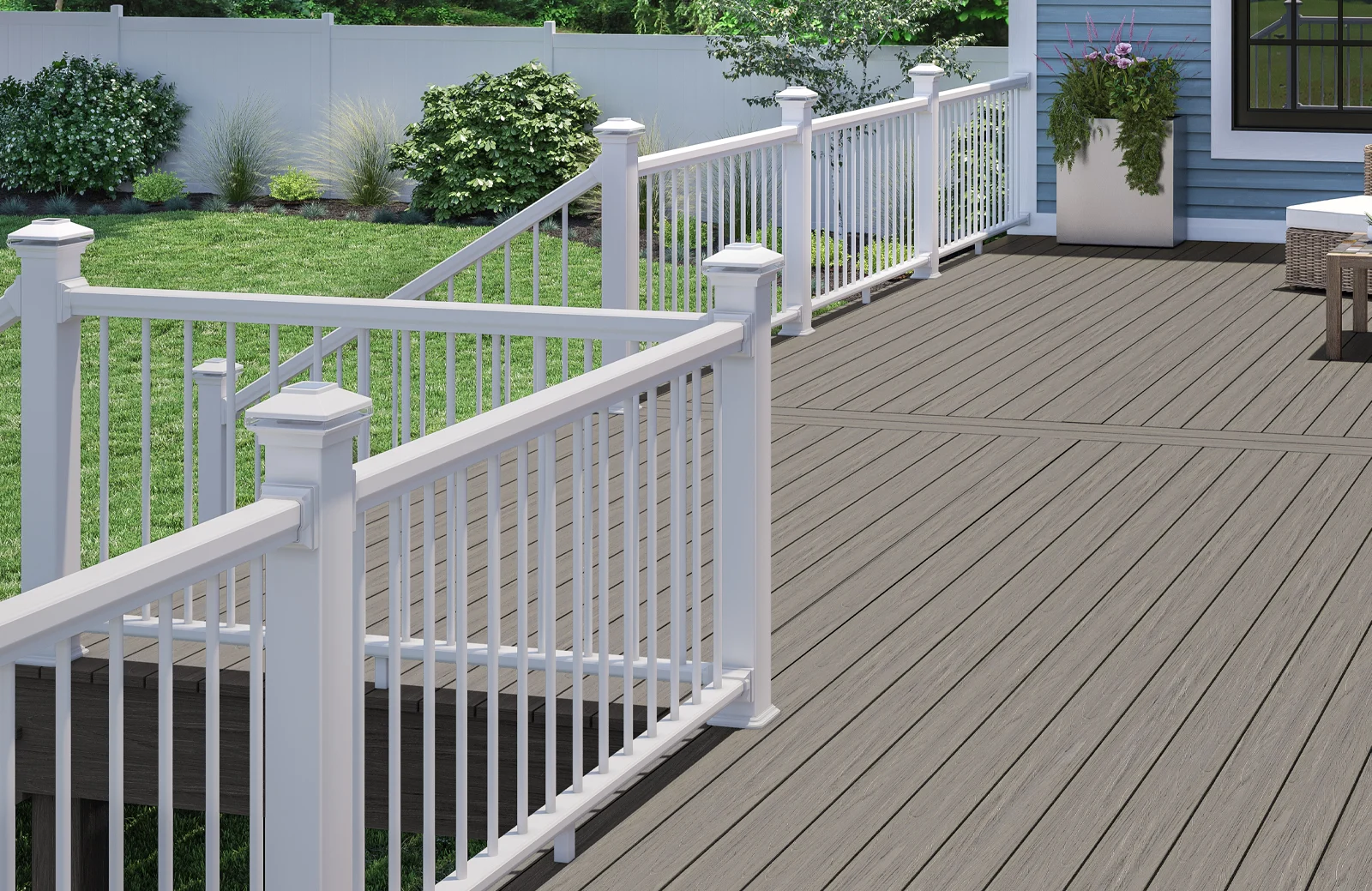
Best exterior railings in the us the architectural landscape across the United States reflects a vast tapestry of microclimates, regional building traditions, and rigorous regulatory frameworks. Within this built environment, exterior railings fulfill a dual mandate: they are life-safety systems engineered to resist dynamic lateral loads and environmental stressors, yet they also serve as definitive stylistic elements shaping residential and commercial facades. From coastal salt-fog zones in the Southeast to freeze-thaw cycles in New England and intense solar radiation across the Southwest, exterior barriers must withstand extreme weathering while complying with a fragmented web of municipal codes, state mandates, and national standards.
Selecting or specifying barrier systems for American properties involves navigating a complex matrix of material sciences, structural engineering principles, and shifting design vernaculars. Homeowners, architects, and contractors frequently confront an overwhelming array of proprietary products, regional manufacturing standards, and installation methodologies. Without a structured analytical approach, decision-making easily defaults to superficial aesthetics or short-term budget constraints, frequently resulting in premature structural degradation, corrosion failure, or code non-compliance.
This comprehensive guide establishes an authoritative reference for evaluating, selecting, and maintaining exterior architectural barriers across diverse American environments. By deconstructing structural load paths, material lifecycles, and regulatory pressures, this analysis provides the intellectual depth required to make sound, long-term investments in property infrastructure.
Understanding “best exterior railings in the us”
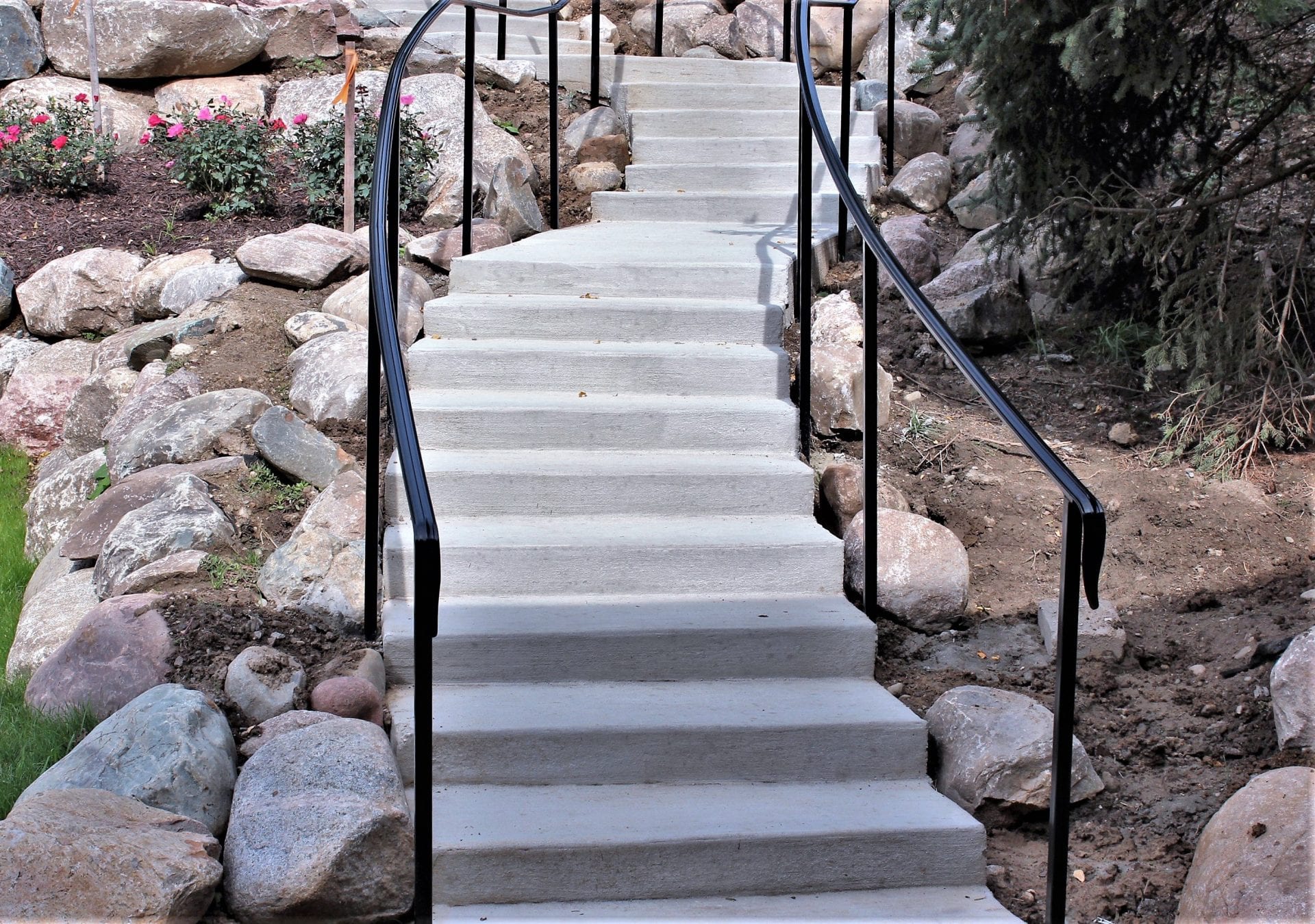
The phrase best exterior railings in the us resists simple product categorization, functioning instead as a contextual benchmark dictated by regional geography, building codes, and individual project requirements. In American construction, no single railing system universally claims supremacy across all applications; a marine-grade stainless steel cable assembly optimized for a coastal Florida residence would be structurally mismatched and economically inefficient for a historic brick brownstone in Boston or a rustic timber lodge in the Rocky Mountains.
A common misunderstanding in consumer and commercial markets is equating initial product cost or aesthetic trendiness with inherent quality. This oversimplification ignores the reality that an installation is only as durable as its weakest sub-component—whether that is an unsealed fastener, an incompatible dissimilar metal connection, or an inadequate structural backing within the building’s rim joist. Evaluating options under the umbrella of the best exterior railings in the us requires shifting focus toward holistic lifecycle performance, regional climate compatibility, and strict adherence to structural engineering standards such as the International Residential Code (IRC) or International Building Code (IBC).
Furthermore, regional variations in American building codes introduce significant complexity. Local jurisdictions frequently amend national model codes to account for localized hazards, such as high-velocity hurricane zones (HVHZ) in Florida, seismic design categories along the Pacific Rim, or heavy snow loads in northern latitudes. True excellence in railing selection, therefore, lies in matching material engineering and structural mounting typologies directly to the specific environmental and regulatory demands of the site.
Deep Contextual Background
Best exterior railings in the us the evolution of exterior railing systems in the United States mirrors the nation’s industrial maturation and changing architectural paradigms. In early American colonial and vernacular architecture, barriers were dictated by locally available resources: heavy timber systems dominated forested eastern and northwestern regions, while wrought iron emerged in urban centers like New Orleans, Charleston, and Philadelphia, heavily influenced by Spanish, French, and British craftsmanship.
The nineteenth-century industrial revolution transformed these handcrafted assemblies into standardized, mass-produced commodities. The proliferation of structural steel mills and iron foundries enabled the widespread adoption of ornamental cast iron railings on urban multi-family walk-ups and civic structures. However, these early ferrous materials required relentless maintenance regimens involving lead-based paints and periodic scraping to combat oxidation caused by industrial pollution and moisture.
The post-World War II suburban housing boom catalyzed a shift toward materials prioritizing low maintenance and rapid installation, leading to the widespread adoption of extruded aluminum, vinyl, and pressure-treated lumber. In recent decades, the American construction market has embraced advanced material sciences, including marine-grade stainless steel alloys (such as grade 316), high-performance architectural glass, and wood-plastic composites. Today, the pursuit of the best exterior railings in the us reflects an advanced industrial landscape where environmental sustainability, corrosion resistance, and sleek minimalist aesthetics intersect with uncompromising structural safety mandates.
Conceptual Frameworks and Mental Models Best Exterior Railings In The Us
Navigating the design and procurement of exterior barriers requires mental models that bridge abstract engineering principles with physical realities.
-
The Tributary Load Transfer Model: This framework traces how a lateral impact or wind pressure applied to the top rail distributes forces down through infill elements, into structural posts, across base mounting plates, and ultimately into the primary building framework. Visualizing this complete load path prevents localized design errors, such as anchoring posts into superficial cladding rather than structural framing.
-
The Environmental Severity Index: This mental model categorizes installation sites based on cumulative weathering stressors, weighing factors such as ambient humidity, airborne salt concentrations, freeze-thaw cycles, and ultraviolet radiation exposure. It dictates the mandatory threshold for material corrosion resistance and protective coating specifications.
-
The Capital-to-Maintenance Equilibrium: This model balances upfront material and installation expenditures against long-term maintenance labor, coating renewal cycles, and eventual replacement costs over a thirty-year horizon, revealing the false economy of cheaper initial alternatives.
-
The Visual Weight vs. Spatial Transparency Continuum: This conceptual spectrum weighs the architectural desire for unobstructed sightlines against the need for tactile handrail comfort and visual framing, guiding choices between glass panels, slender cables, and substantial balustrades.
While these frameworks provide immense analytical clarity, their primary limitation is that they abstract away unpredictable site variables, such as hidden framing rot in older renovations or localized wind micro-currents created by surrounding topography, which always demand localized engineering oversight.
Key Categories or Variations
Exterior railing systems available across the American market fall into several distinct structural and material classifications, each with unique performance profiles.
Realistic Decision Logic Best Exterior Railings In The Us
Determining the optimal system requires a systematic elimination process driven by site conditions. For a beachfront residence in North Carolina, standard carbon steel or untreated wood is immediately disqualified due to aggressive salt-fog corrosion, narrowing choices to marine-grade stainless steel or heavily powder-coated architectural aluminum. Conversely, a designated historic district in Savannah, Georgia, often mandates strict adherence to historical ironwork profiles, shifting the operational focus toward protective barrier coatings and rigorous maintenance schedules rather than raw material replacement.
Detailed Real-World Scenarios
Examining specific installation contexts illuminates how structural parameters interact with environmental constraints in the field.
Coastal Florida Hurricane Zone
A multi-story residential balcony on the Florida coast faces intense wind loads governed by High-Velocity Hurricane Zone (HVHZ) requirements, combined with high salt-air corrosiveness.
-
Constraints: Wind speeds exceeding 140 mph design parameters, mandatory engineering stamps, and aggressive chloride exposure.
-
Decision Points: Selection of marine-grade 316 stainless steel structural posts anchored directly to reinforced concrete slab edges using epoxy-set threaded rods.
-
Failure Modes: Crevice corrosion in hidden fastener crevices and glass-to-shoe binding failure caused by differential thermal movement under extreme solar loading.
-
Second-Order Effects: The implementation of laminated structural glass panels successfully dampens severe wind shear across the balcony surface, but the added dead weight requires rigorous preliminary slab engineering.
New England Freeze-Thaw Environment
A large residential deck attached to a historic timber-frame home in Vermont endures heavy winter snow loads and severe freeze-thaw cycles.
-
Constraints: Heavy snow accumulation pushing horizontally against railings, coupled with moisture freezing within wood framing joints.
-
Decision Points: Utilizing a robust wood-framed post structure with through-bolted backing plates, paired with aluminum balusters to prevent wood-on-wood moisture entrapment.
-
Failure Modes: Water infiltration around surface-mounted base brackets causing wood rot and fastener pull-out during spring thaws.
-
Second-Order Effects: The use of through-bolted backing prevents structural detachment under snow loads, but requires interior drywall access during installation to secure backing nuts.
Planning, Cost, and Resource Dynamics Best Exterior Railings In The Us
The economic viability of an exterior railing project extends far beyond material acquisition costs. Comprehensive financial planning requires analyzing direct expenditures, indirect labor allocations, and lifecycle opportunity costs.
Cost Structure and Variability
Direct costs encompass raw materials, specialized fasteners, structural anchors, and pre-fabricated modular units or custom fabrication fees. Indirect costs include engineering stamp fees for structural calculations, municipal permitting, specialized lifting equipment for heavy glass panels, and skilled labor hours.
Opportunity costs frequently arise when selecting cheaper initial materials. Choosing untreated softwoods minimizes upfront capital outlay but incurs significant recurring costs in labor, sealants, and eventual structural replacement within a decade. Conversely, investing in premium structural aluminum or stainless steel front-loads capital expense while virtually eliminating long-term replacement cycles.
Tools, Strategies, and Support Systems
Executing precise railing installations relies on a specialized suite of physical tools, digital software, and logistical support frameworks.
-
CAD and BIM Modeling Software: Essential for mapping precise post layouts, calculating span lengths between structural studs, and generating shop drawings that satisfy municipal plan-check examiners.
-
Laser Plumb and Level Instruments: Crucial on-site tools for ensuring plumb post alignment across multi-level terraces where settling can distort visual lines.
-
Torque-Limiting Wrenches: Vital for installing mechanical wedge anchors in concrete or tensioning stainless steel cable fittings to exact manufacturer specifications without over-stressing threads.
-
Thermal Expansion Calculators: Engineering tables used to determine precise joint spacing for long runs of aluminum or composite top rails exposed to extreme diurnal temperature swings.
-
Structural Engineering Peer Review: A critical support system for custom configurations or high-load commercial installations where standard span tables do not apply.
-
Core Drill Rigs: Specialized machinery required to core-drill masonry or concrete slabs for embedded core-mount railing posts.
-
Template Jigs: Factory or site-made jigs that guarantee uniform baluster spacing and prevent cumulative measurement errors during assembly.
Risk Landscape and Failure Modes Best Exterior Railings In The Us
Railing failures carry severe liability and safety implications, making rigorous risk management an essential component of the design and installation process.
The primary failure modes center around connection integrity. When posts are face-mounted to exterior rim joists without proper backing or waterproofing flashings, moisture becomes trapped between the mounting plate and the cladding. Over time, this causes concealed rot in wood framing or rust-jacking in steel connectors, drastically reducing the lateral load capacity of the entire barrier.
Another critical risk is electrochemical corrosion (galvanic action) resulting from the direct contact of dissimilar metals—such as fastening aluminum brackets with standard carbon steel or un-coated iron screws in the presence of moisture. This triggers rapid degradation of the anodic metal. Mitigating these risks requires strict adherence to isolation gaskets, compatible fastener metallurgy, and redundant structural load paths that prevent catastrophic collapse should a single anchor point experience localized failure.
Governance, Maintenance, and Long-Term Adaptation
Ensuring that exterior railings maintain their structural integrity and aesthetic appeal over decades requires a structured governance and maintenance protocol.
-
Baseline Inspection (Post-Installation): Conduct a rigorous structural load test and visual check immediately following installation to verify that all anchors meet torque specifications and zero excessive deflection occurs under applied weight.
-
Annual Environmental Audit: Schedule comprehensive inspections at the change of seasons, specifically targeting areas prone to moisture retention, such as post-to-deck intersections, weld joints, and cable swage fittings.
-
Mechanical Tensioning Reviews: For cable and rod systems, check and re-adjust cable tension annually to account for normal stretching and seasonal temperature contraction.
-
Surface Treatment Refresh Cycles: Apply protective sealants, clear coats, or touch-up powder coatings immediately upon detecting microscopic scratches or oxidation spots before corrosion spreads beneath the finish layer.
-
Adaptive Component Replacement: Establish a scheduled lifecycle replacement window for perishable elements such as plastic isolation bushings, rubber gaskets, and weather-stripping inserts.
Measurement, Tracking, and Evaluation Best Exterior Railings In The Us
Evaluating the long-term success of an exterior railing installation involves monitoring both quantitative metrics and qualitative indicators.
-
Quantitative Structural Indicators: Measure maximum allowable deflection under load (typically restricted to or strict deflection limits under a 200-pound point load) and track fastener torque retention rates over consecutive thermal cycles.
-
Qualitative Aesthetic Signals: Monitor surface finish uniformity, absence of staining or rust bleed on adjacent siding or concrete, and the preservation of clear sightlines without fogging or delamination in glass assemblies.
-
Documentation and Traceability: Maintain an active property ledger containing as-built architectural drawings, structural engineering load calculations, material warranty certificates, and a complete log of all maintenance interventions and fastener torquing dates.
Common Misconceptions and Oversimplifications
-
Myth: Railing height is the only regulatory metric that matters across the US.
-
Correction: Codes strictly regulate baluster spacing (the four-inch sphere rule), infill rigidity, grip size for graspable handrails on stairs, and dynamic impact resistance alongside nominal height.
-
-
Myth: Surface-mounted posts are structurally equivalent to fascia-mounted or core-drilled posts.
-
Correction: Surface mounting places immense leverage and moment force directly on the fasteners and the topmost substrate layer, whereas fascia or core mounting distributes loads more effectively across structural members.
-
-
Myth: Aluminum and stainless steel require zero maintenance in coastal US environments.
-
Correction: Salt deposits accumulate on exterior surfaces and can pit even marine-grade metals if regular freshwater rinsing is neglected.
-
-
Myth: Cable railings are inherently flexible and cannot meet strict American commercial deflection codes.
-
Correction: Properly engineered intermediate vertical posts and correctly tensioned cables easily satisfy strict deflection criteria while maintaining minimalist aesthetics.
-
-
Myth: Wood railings can be bolted directly to deck framing without waterproofing flashings.
-
Correction: Direct wood-to-wood contact traps moisture, accelerating hidden rot and compromising the structural anchoring of the posts.
-
-
Myth: Glass panels act purely as visual screens.
-
Correction: In modern engineering, structural glass frequently acts as a load-bearing infill or structural balustrade component that transfers wind and impact loads directly into base shoes.
-
Contextual Considerations Best Exterior Railings In The Us
The practical execution of exterior railing designs across the United States must always respond to local environmental peculiarities and regional architectural traditions. In high-altitude alpine regions, snow load accumulation against lower railing sections creates massive lateral pressures that flat-ground building codes do not anticipate, requiring reinforced vertical members and open-slat or cable configurations that allow snow to pass through rather than build up. Similarly, in historic urban districts, municipal architectural review boards often prioritize contextual harmony over modern minimalism, necessitating custom fabrications that echo historical ironwork while concealing modern structural fasteners. Recognizing these local parameters ensures that architectural plans remain both legally compliant and physically resilient over decades of exposure.
Conclusion
Designing and executing effective exterior railing systems across the American landscape requires a synthesis of rigorous engineering, material expertise, and careful architectural planning. By moving beyond superficial aesthetics and addressing fundamental load paths, environmental exposure gradients, and long-term maintenance dynamics, builders and designers create installations that safeguard human life while elevating the built environment. True mastery in this domain lies in respecting the hidden complexities of structural connections and material science, ensuring that every installation stands resilient against both the passage of time and the rigors of the natural world.
Leave a Reply